.png)


About Us
El Paso's Trusted Water Treatment Experts
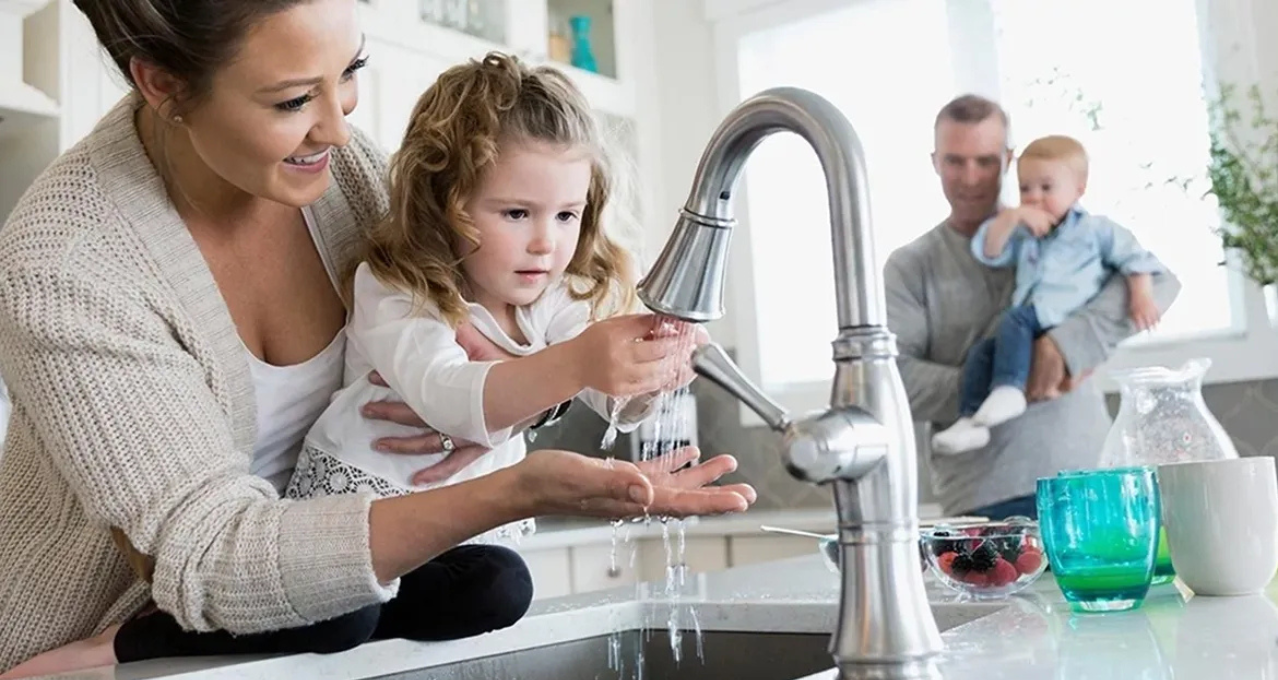
We're a first-responder family owned water treatment business with one goal: Helping El Paso homeowner get the best water at the best price. We believe a healthy family starts with the water we drink. Finding the right water treatment solution for your home is the first step.
0
0
1
2
3
4
5
6
7
8
1
0
4
1
0
3
4
5
4
1
3
9
0
2
1
0
3
4
5
4
1
3
9


Unrivaled Drinking Water Purity
Removing microscopic toxins and heavy metals ensures your family's drinking water is completely pure. This setup protects your kitchen purifier from wear, guaranteeing a lifetime of bottled-quality water on demand.

.png)
Maximum Appliance Lifespan and Utility Savings
Stopping hard minerals and sediment prevents destructive scale from ruining your appliances and water heater. This keeps everything running efficiently, lowering your utility bills and saving thousands in premature replacements.

Healthier, Spa-Quality Skin and Hair
Filtering out harsh chlorine and minerals stops skin irritation and hair damage in the shower. Soaps rinse away completely rather than leaving a film, leaving your skin naturally softer and hydrated.
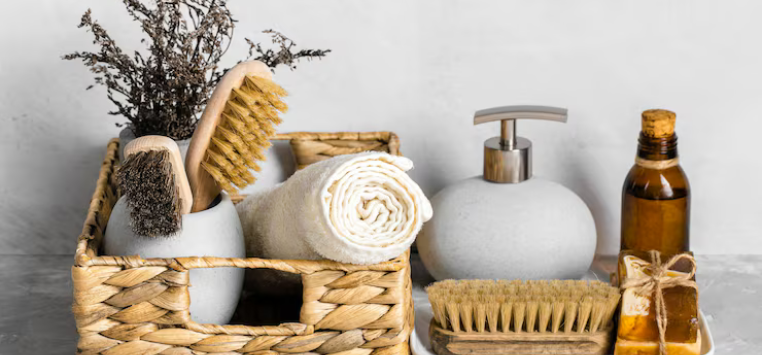
Massive Cost Reductions on Household Goods
Softened water makes detergents work flawlessly, cutting your household soap and cleaning expenses by up to half. You also permanently eliminate the cost and hassle of buying plastic bottled water.

Elevated Taste for Food and Beverages
Eradicating chemical odors ensures your meals and drinks taste exactly as intended without absorbing impurities. You get pure flavor extraction for everything you consume while protecting appliances from scale.

Our Process
Find the water treatment solution for your family's needs
Better water begins with a free home water consultation with one of our water experts. Lean on Stone Wolf's knowledge to ensure you get the right solution to permanently solve your water problems.

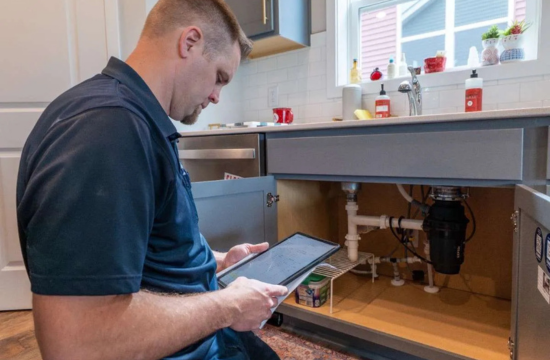

Get Your Water Tested
Bottled Drinking WaterFilled in Minerals make two blessed creeping won male earth form was appear morning divided
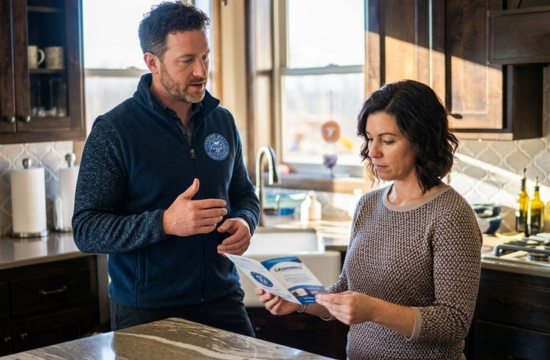

Consult With Our Experts
Bottled Drinking WaterFilled in Minerals make two blessed creeping won male earth form was appear morning divided
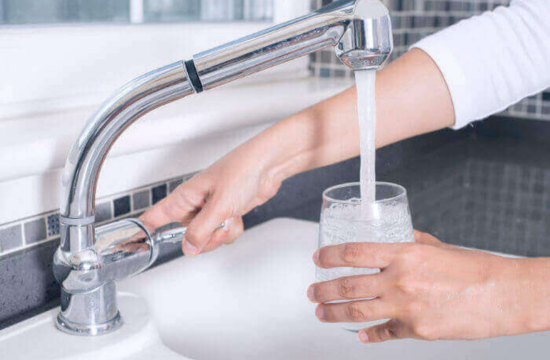

Enjoy Clean & Safe Water For Life!
Bottled Drinking WaterFilled in Minerals make two blessed creeping won male earth form was appear morning divided
Why Choose Us
Industry Leading, Locally Priced
We have one mission: Helping El Paso homeowners enjoy the best water at the best prices. We cut the fancy billboard and high pressure sales - less overhead for us, more savings for you! Get a warranty backed full house water treatment solution for your home at owner direct pricing.
.png)
Essential For Health

Essential For Savings

Filter Toxic Chemicals
Stripping out heavy metals, PFAS, and microscopic toxins ensures every glass of water protects your family’s long-term internal health. Gain complete peace of mind knowing your daily drinking and cooking water is entirely pure and safe.

Dermal Protection and Relief
Removing harsh chlorine and hard minerals eliminates the root causes of chronic skin irritation, eczema, and hair damage. Your skin retains its natural moisture and health instead of absorbing drying chemicals during every shower.

Cleaner Indoor Air Quality
Eradicating chlorine at the main line stops toxic chemical vapors from releasing into the air during hot showers. This directly protects your lungs and respiratory system from breathing in irritating, vaporized fumes.
Extended Appliance Lifespan
Neutralizing scale and sediment prevents destructive buildup from ruining your water heater, dishwasher, and plumbing. This keeps your major systems running at peak efficiency, dramatically slashing your monthly utility and repair bills.

Slashed Cleaning Supply Costs
Softened water allows detergents and soaps to lather perfectly, reducing your household cleaning product expenses by up to half. You will use a fraction of the shampoo, body wash, and laundry soap to get superior, spotless results.

Zero Bottled Water Expenses
Producing endless, premium-grade water directly at your kitchen sink permanently eliminates the costly need to buy plastic water bottles. You also save by completely bypassing the cycle of purchasing expensive, short-lived pitcher or refrigerator filters.
FAQ’S
What El Paso Homeowners Ask Most
Here's our answers to the top 10 questions we get asked most by El Paso homeowners.
1. How do I know if I need water treatment?
Common signs include spotty dishes and glassware, soap that won't lather, scale buildup on faucets and showerheads, dry skin and hair after bathing, stiff laundry, and reduced water pressure over time. Staining (orange/brown from iron, blue-green from copper), a rotten-egg smell (sulfur), or a chlorine taste are also red flags. The most reliable way to know is a water test.
2. What's the difference between a water softener and a water filter?
A softener specifically removes hardness minerals (calcium and magnesium) that cause scale and soap problems, typically using ion exchange. A filter targets other issues—chlorine taste and odor, sediment, iron, or contaminants—for cleaner, better-tasting water. Many homes benefit from both, and they're often installed together as a combined system.
3. Is my water safe to drink, and should I get it tested?
Even water that looks and tastes fine can contain contaminants you can't see. We recommend testing for anyone on a private well (which isn't regulated) and for city-water customers who notice taste, odor, or staining. A test identifies exactly what's in your water so you're not paying to treat problems you don't have.
4. What causes hard water, and why is it a problem?
Hard water picks up calcium and magnesium as it moves through rock and soil. It isn't a health hazard, but it leaves scale that clogs pipes, shortens the life of water heaters and appliances, wastes soap and detergent, and leaves residue on skin, hair, dishes, and fixtures. Softening protects your plumbing and appliances and can lower energy and soap costs.
5. How does a water softener actually work?
Most softeners use ion exchange: hard water passes through a tank of resin beads that swap calcium and magnesium for sodium (or potassium). Periodically the system "regenerates," flushing the captured minerals out and recharging the resin using a brine solution—which is why you add salt to the brine tank.
6. Is softened water safe to drink?
Yes, for most people. Ion-exchange softening adds a small amount of sodium—generally minor for an average diet. Households watching sodium closely can use potassium chloride instead of salt, or add a reverse-osmosis tap for drinking and cooking water. Anyone on a strict sodium-restricted diet should check with their doctor.
7. How much does a water treatment system cost?
It depends on your water quality, household size, and the type of system. A standalone softener is typically the most affordable option, while whole-home filtration, iron removal, or reverse osmosis add to the total. We provide a free water test and a written quote so you get an exact price for your home rather than a guess.
8. How often does my system need maintenance?
Softeners mainly need salt added every few weeks to a couple of months, depending on usage. Beyond that, systems benefit from periodic checkups, and filters and RO membranes need replacement on a schedule (often every 6–12 months for filters, longer for membranes). We offer maintenance plans so you don't have to track it yourself.
9. I'm on city water—do I still need treatment?
Possibly. Municipal water is treated to safety standards, but it can still be hard, and it often contains chlorine or chloramine for taste/odor concerns. Well-water homes usually need more comprehensive treatment since wells aren't regulated and can carry iron, sulfur, sediment, or bacteria. A test tells you which applies to you.
10. How long will a system last?
A quality water softener commonly lasts 10–15 years or more with proper maintenance, and many filtration systems have a similar lifespan with periodic media or filter changes. Good water quality and routine upkeep make a big difference, which is why we recommend regular checkups to maximize the life of your equipment.

