.png)
Who We Are
First Responder Owned Water Treatment Experts.
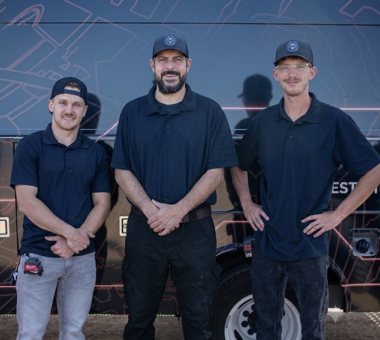
Stone Wolf Water Filtration is a family-owned, first responder-operated business proudly serving El Paso homes with reliable, high-quality water treatment systems. Built on the same values of trust, protection, and service that guide our work on the front lines, we bring integrity and hands-on dedication to every home we serve.
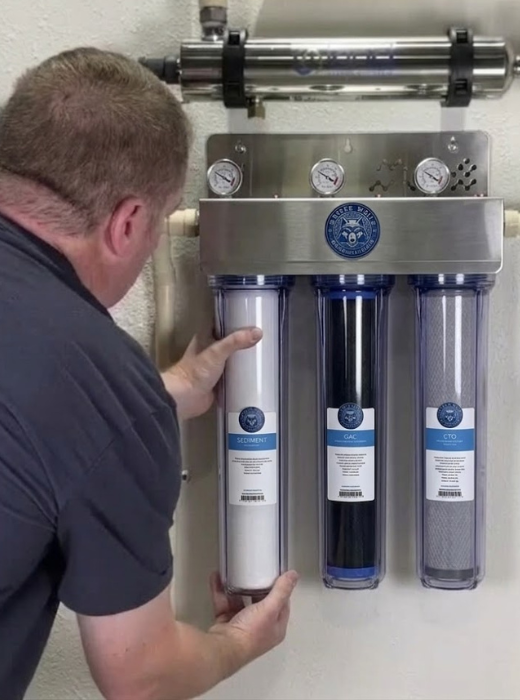
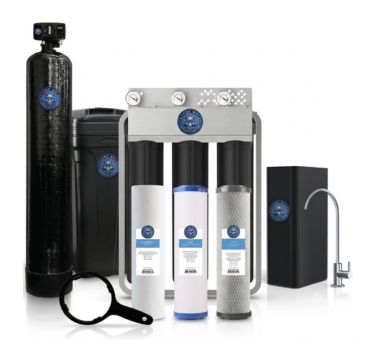
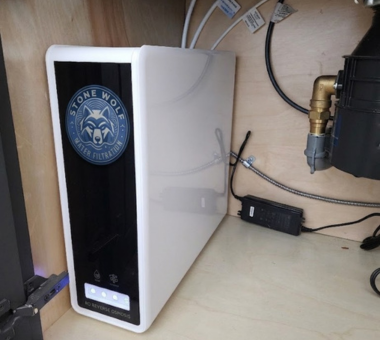

El Paso's hard, mineral-heavy water can wreak havoc on your home — clogging pipes, damaging appliances, and leaving your skin, hair, and dishes worse for wear. A trusted whole-home filtration and softening system fixes the problem at the source, giving your family cleaner, safer water and protecting your home's plumbing and appliances for years to come.
Core Values
We're Built On Three Promises
Being local means we know El Paso's water and El Paso families — we're your neighbors, not a corporation. Quality and commitment mean every system we install is built to last and backed by real people who stand behind their work, long after the installation is done.

We're Local
We're not some 1-800 franchise. Our systems are local, our crews are local, all El Paso local.

We're Quality
Full workmanship warranty on full home water solutions, installed by certified professionals.

We're Committed
Before, during, and after the installation, we're committed to making sure you're taken care of.
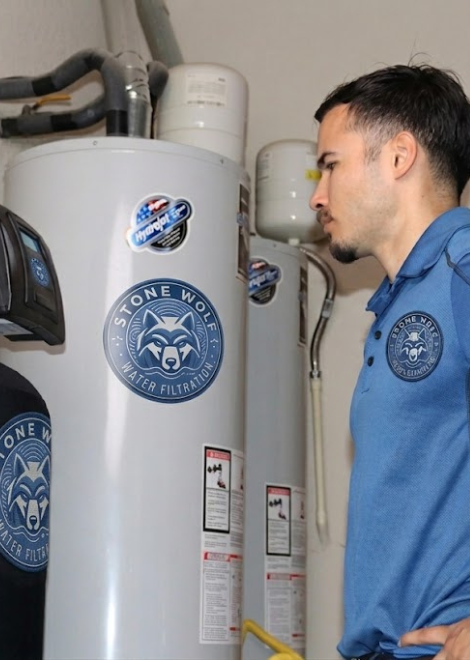
Giving El Paso the best water at the best prices.
Every family deserves clean, safe water without stretching their budget, and that's exactly what we deliver. By combining top-quality filtration systems with honest, fair pricing, we make sure great water is never out of reach. It's our promise to El Paso: better water, better value, every single time.
Family owned, first responder operated
Stone Wolf Water Filtration is family owned and first responder operated, bringing the same dedication, trust, and protection we show on the job to every home we serve. We're proud to give El Paso families clean, reliable water backed by people who genuinely care about this community.
We're local, we're quality, we're committed
Stone Wolf Water Filtration is local, quality, and committed — from the systems we build right here in El Paso to the service we stand behind long after installation. When you choose us, you're choosing a business that's invested in this community and dedicated to giving your family water you can trust.
FAQ’S
What El Paso Homeowners Ask Most
Here's our answers to the top 10 questions we get asked most from El Paso homeowners.
1. How do I know if I need water treatment?
Common signs include spotty dishes and glassware, soap that won't lather, scale buildup on faucets and showerheads, dry skin and hair after bathing, stiff laundry, and reduced water pressure over time. Staining (orange/brown from iron, blue-green from copper), a rotten-egg smell (sulfur), or a chlorine taste are also red flags. The most reliable way to know is a water test.
2. What's the difference between a water softener and a water filter?
A softener specifically removes hardness minerals (calcium and magnesium) that cause scale and soap problems, typically using ion exchange. A filter targets other issues—chlorine taste and odor, sediment, iron, or contaminants—for cleaner, better-tasting water. Many homes benefit from both, and they're often installed together as a combined system.
3. Is my water safe to drink, and should I get it tested?
Even water that looks and tastes fine can contain contaminants you can't see. We recommend testing for anyone on a private well (which isn't regulated) and for city-water customers who notice taste, odor, or staining. A test identifies exactly what's in your water so you're not paying to treat problems you don't have.
4. What causes hard water, and why is it a problem?
Hard water picks up calcium and magnesium as it moves through rock and soil. It isn't a health hazard, but it leaves scale that clogs pipes, shortens the life of water heaters and appliances, wastes soap and detergent, and leaves residue on skin, hair, dishes, and fixtures. Softening protects your plumbing and appliances and can lower energy and soap costs.
5. How does a water softener actually work?
Most softeners use ion exchange: hard water passes through a tank of resin beads that swap calcium and magnesium for sodium (or potassium). Periodically the system "regenerates," flushing the captured minerals out and recharging the resin using a brine solution—which is why you add salt to the brine tank.
6. Is softened water safe to drink?
Yes, for most people. Ion-exchange softening adds a small amount of sodium—generally minor for an average diet. Households watching sodium closely can use potassium chloride instead of salt, or add a reverse-osmosis tap for drinking and cooking water. Anyone on a strict sodium-restricted diet should check with their doctor.
7. How much does a water treatment system cost?
It depends on your water quality, household size, and the type of system. A standalone softener is typically the most affordable option, while whole-home filtration, iron removal, or reverse osmosis add to the total. We provide a free water test and a written quote so you get an exact price for your home rather than a guess.
8. How often does my system need maintenance?
Softeners mainly need salt added every few weeks to a couple of months, depending on usage. Beyond that, systems benefit from periodic checkups, and filters and RO membranes need replacement on a schedule (often every 6–12 months for filters, longer for membranes). We offer maintenance plans so you don't have to track it yourself.
9. I'm on city water—do I still need treatment?
Possibly. Municipal water is treated to safety standards, but it can still be hard, and it often contains chlorine or chloramine for taste/odor concerns. Well-water homes usually need more comprehensive treatment since wells aren't regulated and can carry iron, sulfur, sediment, or bacteria. A test tells you which applies to you.
10. How long will a system last?
A quality water softener commonly lasts 10–15 years or more with proper maintenance, and many filtration systems have a similar lifespan with periodic media or filter changes. Good water quality and routine upkeep make a big difference, which is why we recommend regular checkups to maximize the life of your equipment.